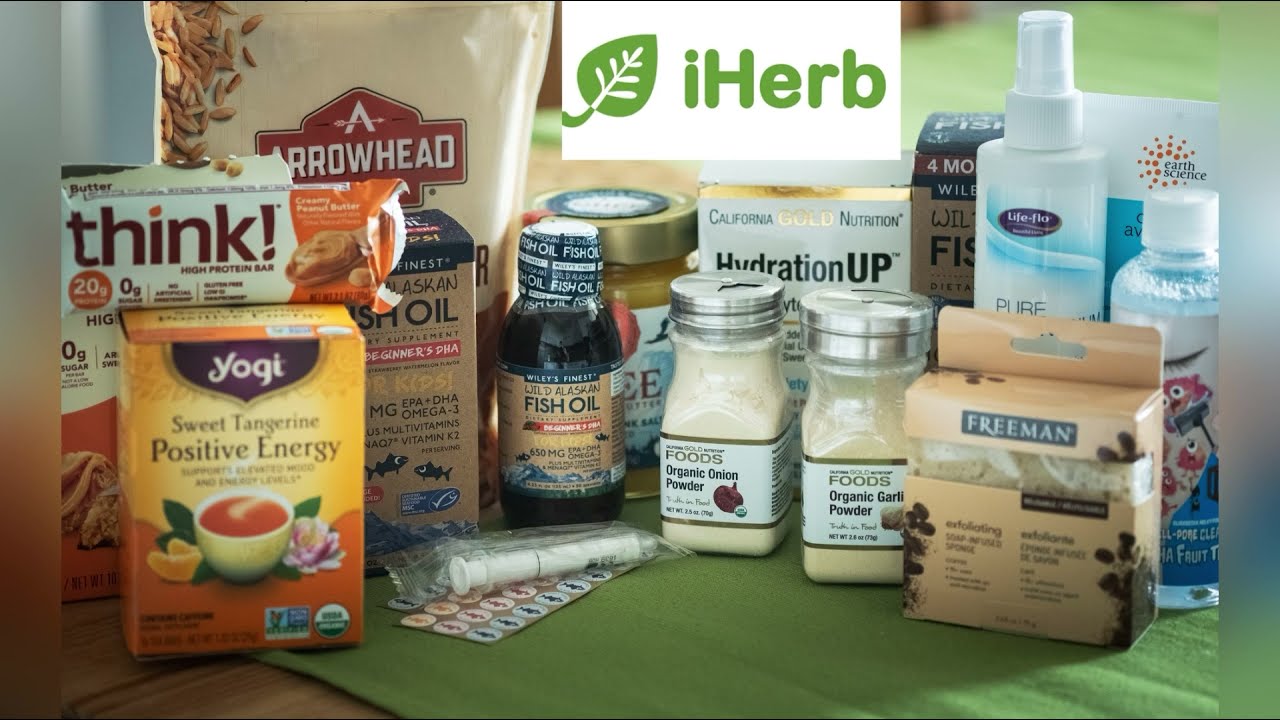
Why More People Are Replacing Pharmacies and Marketplaces With iHerb
A decade ago buying supplements followed a predictable pattern.You visited a local pharmacy health store or gym counter. You trusted what was on the shelf often without knowing much about sourcing formulation or long-term quality.In 2026 that behaviour has changed.
Consumers now:
- Research ingredients before buying
- Compare formulations across brands
- Read real user experiences
- Question pricing and authenticity
And increasingly they skip traditional channels altogether.Instead millions are turning to iHerb — not as a convenience store but as a replacement for fragmented health shopping.This article explores why iHerb is increasingly preferred over pharmacies marketplaces and local retailers and what this shift reveals about modern health consumers.
The Decline of Blind Trust in Physical Shelves

Pharmacies still play an important role in healthcare.
But when it comes to supplements and wellness products they face limitations:
- Limited shelf space
- Regional brand availability
- Higher markups
- Minimal product education
Consumers are no longer satisfied with buying what happens to be stocked nearby.They want choice — and context.iHerb thrives in this gap.
Health Products Are No Longer Impulse Purchases
Wellness buying has become intentional.
People now ask:
- What form of this vitamin absorbs best?
- Is this dose appropriate for daily use?
- Are there unnecessary fillers?
- Is this brand reputable?
These questions are hard to answer in-store.iHerb by contrast is built for deliberate decision-making.
Why Marketplaces Struggle With Health Categories?
Large marketplaces excel at scale.
They struggle with trust-sensitive categories.
Common marketplace issues include:
- Multiple sellers for the same product
- Inconsistent storage conditions
- Counterfeit risk
- Unclear sourcing
For electronics or apparel this may be acceptable.For supplements it isn’t.iHerb avoids this problem by acting as a controlled distributor not an open bazaar.
Centralised Control as a Competitive Advantage
iHerb’s model is deceptively simple:
- Products are sourced directly
- Stored in controlled environments
- Shipped from central facilities
This approach reduces variability — which is critical in wellness.Customers know what to expect every time they reorder.Consistency builds trust faster than novelty.
Ingredient Transparency Over Brand Hype

Many wellness brands rely on marketing language:
- “Supercharged”
- “Advanced blend”
- “Clinically inspired”
iHerb shifts focus back to:
- Ingredient lists
- Dosage information
- Supplement facts
Customers can compare products side by side without pressure.This empowers informed choices rather than emotional purchases.
Reviews as a Learning Tool Not Just Validation
On iHerb reviews serve a different purpose.
They don’t just answer:
“Is this good?”
They help answer:
Who is this for?
- How long did results take?
- Were there side effects?
- Is this suitable for beginners?
Because supplements affect people differently this nuance matters.Over time customers learn to interpret reviews — not just skim ratings.
Why International Customers Depend on iHerb?
In many countries supplement access is limited.
Local markets may lack:
- Variety
- Global brands
- Competitive pricing
iHerb fills this gap by offering:
- Cross-border access
- Localised shipping
- Region-aware availability
For many international customers iHerb isn’t a convenience — it’s a necessity.
Predictable Pricing Beats Occasional Discounts
Local wellness stores often rely on:
- High margins
- Frequent promotions
- Loyalty cards
This creates inconsistent pricing.
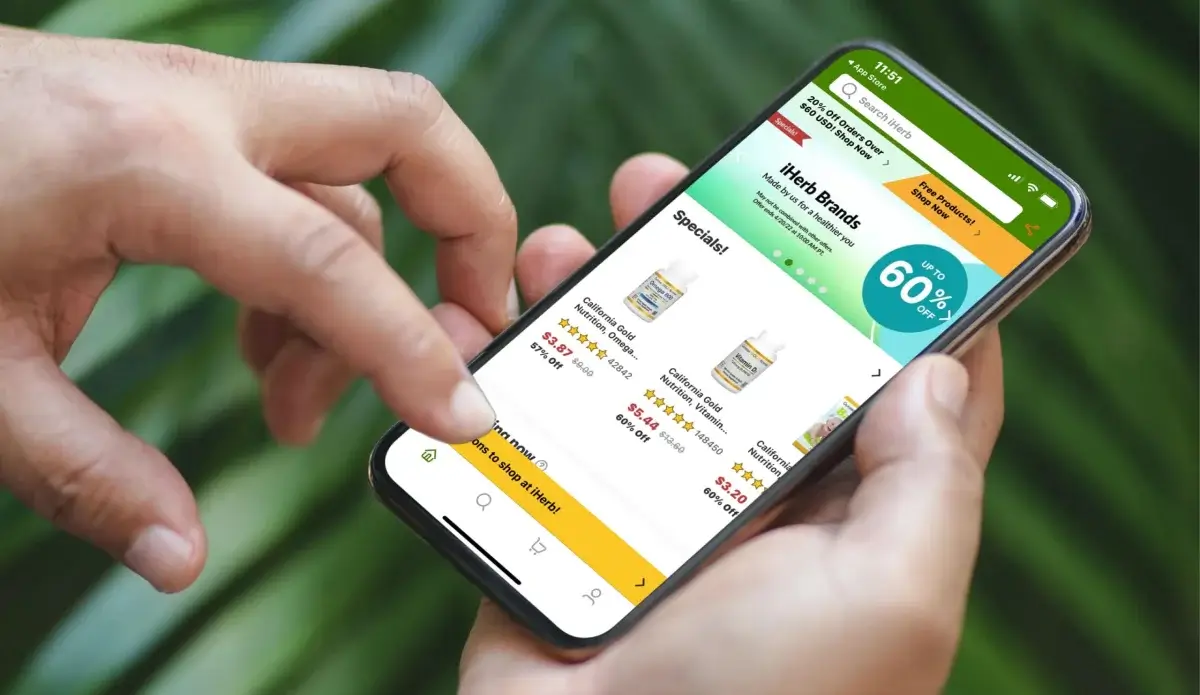
iHerb focuses on:
- Fair baseline pricing
- Transparent discounts
- Loyalty credits
Customers don’t feel pressured to “buy now or miss out.”
That predictability encourages long-term use.
Reordering as a Core Experience
Supplements work best when used consistently.
iHerb’s platform supports this by:
- Saving purchase history
- Offering easy reorders
- Remembering preferences
This reduces friction and improves adherence.Wellness becomes routine not reactive.
The Shift Toward Self-Directed Health
People are increasingly managing:
- Nutrition
- Energy levels
- Gut health
- Sleep support
Independently not through prescriptions.
iHerb supports this trend by providing access to:
- Educational product data
- Diverse formulations
- Lifestyle-oriented brands
It doesn’t diagnose — it enables exploration.
iHerb and Fitness Communities
Fitness culture values:
- Ingredient purity
- Brand consistency
- Reliable sourcing
iHerb’s catalog supports:
- Protein supplements
- Amino acids
- Recovery products
Athletes appreciate being able to compare formulations rather than chase availability.
Clean Beauty and Personal Care as an Extension of Wellness

Health today extends beyond ingestion.
Consumers increasingly scrutinise:
- Skincare ingredients
- Personal care formulations
- Ethical sourcing
iHerb’s expansion into clean beauty reflects this broader definition of wellness.
It allows users to align personal care with dietary choices.
Logistics as a Trust Signal
Reliable delivery may seem operational — but it’s psychological.
When health products arrive:
- On time
- Undamaged
- Properly packaged
Customers feel reassured.
iHerb’s logistics consistency reinforces confidence with every order.
iHerb vs Subscription-Only Wellness Brands
- Some brands push:
- Auto-ship models
- Locked-in subscriptions
While convenient these can feel restrictive.
iHerb offers:
- Flexibility
- Choice
- No pressure
Customers control their routines not algorithms.
Why People Rarely Switch Away From iHerb?
Once customers establish:
- Trusted brands
- Familiar products
- Reliable delivery
Switching feels unnecessary.
iHerb becomes a default — not because of loyalty programs but because it works.
Wellness Shopping Without Sales Pressure
Unlike many wellness platforms iHerb doesn’t:
- Push aggressive upsells
- Use fear-based messaging
- Overpromise outcomes
This calmer environment aligns with how people want to approach health.
The Role of Longevity in Health Platforms

Health decisions compound over time.
Platforms that survive long enough to build trust gain an edge.
iHerb’s longevity signals:
- Operational stability
- Regulatory awareness
- Industry relationships
These factors matter more in wellness than in trend-driven categories.
Who iHerb Appeals to Most Today
iHerb resonates strongly with:
- Health-conscious consumers
- International buyers
- Fitness-focused users
- People managing long-term routines
- Shoppers who value transparency
It attracts users who want control not persuasion.
Where iHerb Draws the Line
iHerb does not try to be:
- A medical authority
- A prescription service
- A lifestyle influencer brand
Its restraint strengthens credibility.
The Bigger Shift iHerb Represents

iHerb reflects a broader movement:
- Away from impulse buying
- Toward informed consumption
- Away from fragmented sourcing
- Toward trusted platforms
This shift isn’t about technology — it’s about confidence.
iHerb as a Personal Health Library
Over time many users treat iHerb like:
- A curated catalogue
- A reference point
- A personal wellness archive
It’s where they return to refine choices not just repeat purchases.
Final Thoughts: Why iHerb Keeps Gaining Ground
iHerb doesn’t promise transformation.
It promises access transparency and reliability.
In a category filled with bold claims and short-lived trends iHerb wins by staying grounded.
For modern consumers who see wellness as a long-term commitment rather than a quick fix iHerb offers something rare:
A place to shop — without pressure — and decide at their own pace.
And that’s why in 2026 iHerb isn’t just popular.
It’s trusted.