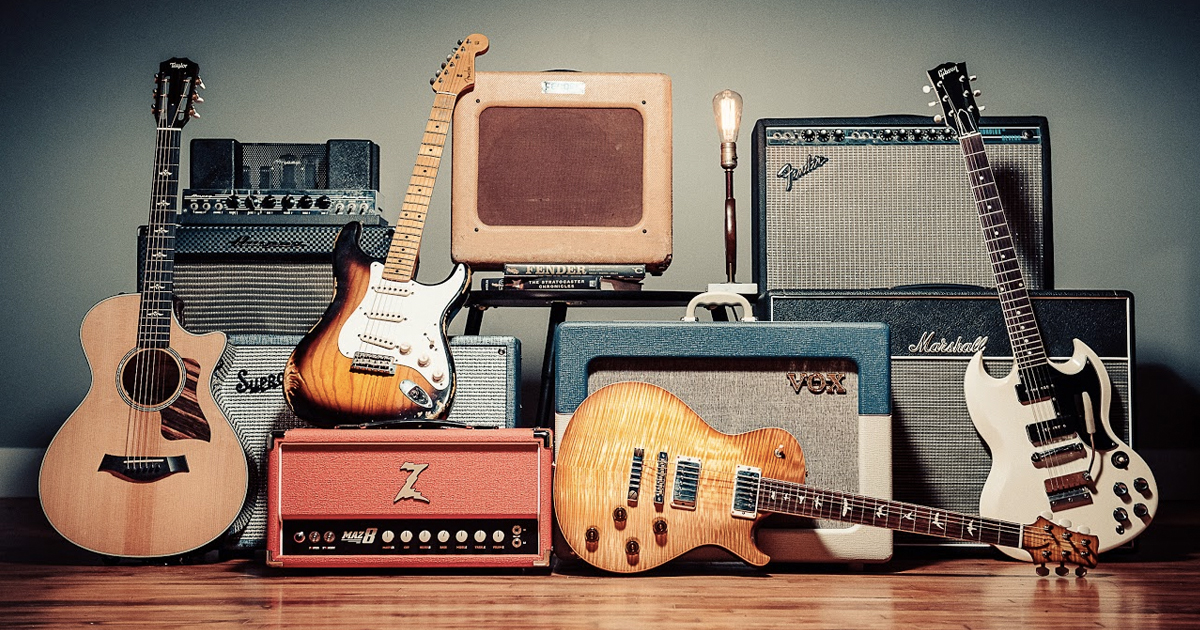
Reverb: How a Music-First Marketplace Changed the Way Musicians Buy and Sell Gear
Musicians don’t shop the way most consumers do.They don’t just compare prices — they compare tone condition provenance and feel. They care about whether an instrument has a story whether a pedal has mojo whether a synth has been serviced properly. And they don’t trust generic marketplaces to understand those details.That gap is exactly where Reverb found its place.What began as a niche platform for used musical gear has grown into the world’s most trusted marketplace for instruments pedals recording equipment and music technology. Today Reverb sits at the intersection of commerce and culture — serving hobbyists touring professionals collectors and independent music shops alike.This article explores how Reverb works today why it matters to musicians and how it has reshaped the global music-gear economy.
The Problem Reverb Solved (That Other Marketplaces Didn’t)
Before Reverb musicians had limited options:
- Local music stores with small inventories
- Classified ads with limited trust
- Generic marketplaces that didn’t understand instruments
Buying used gear was risky. Selling gear was inconvenient. Information was fragmented and pricing was inconsistent.Reverb’s insight was simple but powerful: musical instruments are not generic products. They require context expertise and trust.Reverb wasn’t built to sell “items” — it was built to trade tools of expression.
What Reverb Is Today?
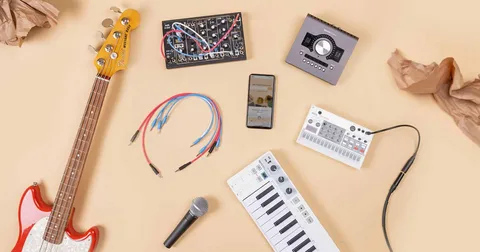
In 2026 Reverb is far more than a used-gear marketplace.It is:
- A global buying and selling platform for new and used music gear
- A trusted resale channel for brands and retailers
- A data-rich pricing reference for the music industry
- A community-driven ecosystem for musicians
Reverb supports transactions across:
- Guitars and basses
- Pedals and effects
- Synthesizers and keyboards
- Studio and recording gear
- DJ equipment
- Accessories and rare collectibles
Few platforms match its depth in a single creative vertical.
Why Reverb Works: Specialisation Over Scale?
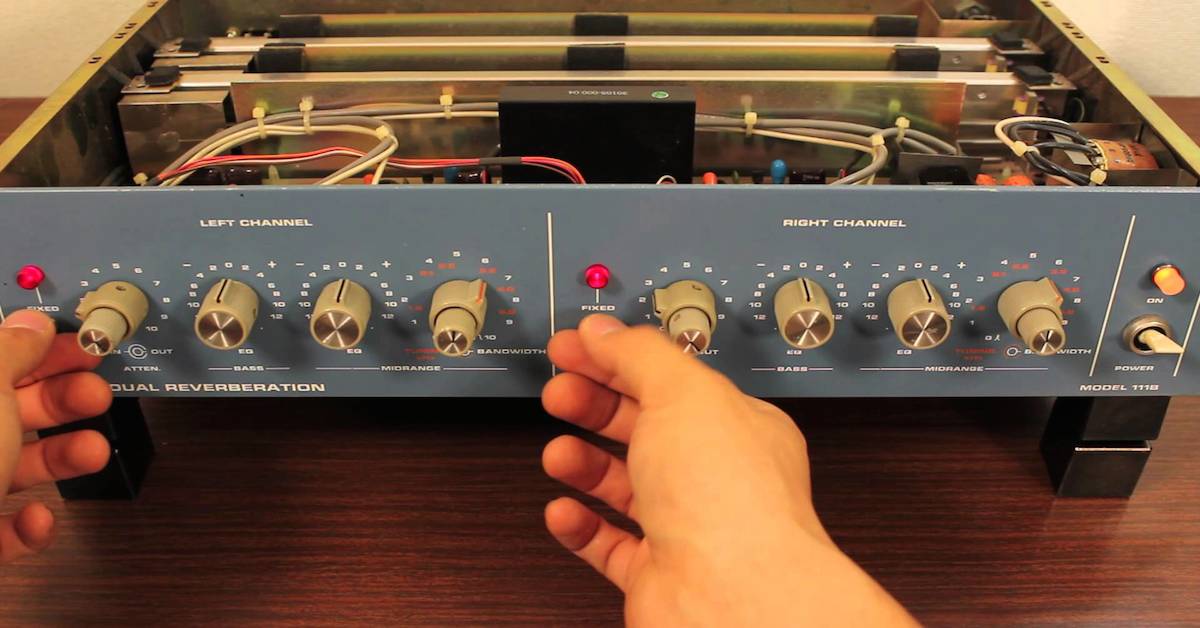
Reverb’s biggest advantage is focus.Unlike general marketplaces that try to serve everyone Reverb serves musicians first. That specialisation shows in every aspect of the platform.
Listings Are Built for Musicians
Reverb listings include:
- Detailed condition grading
- High-quality images
- Serial numbers and model years
- Descriptions written by people who understand gear
This reduces uncertainty — which is critical when buying instruments remotely.
Categories Reflect How Musicians Think
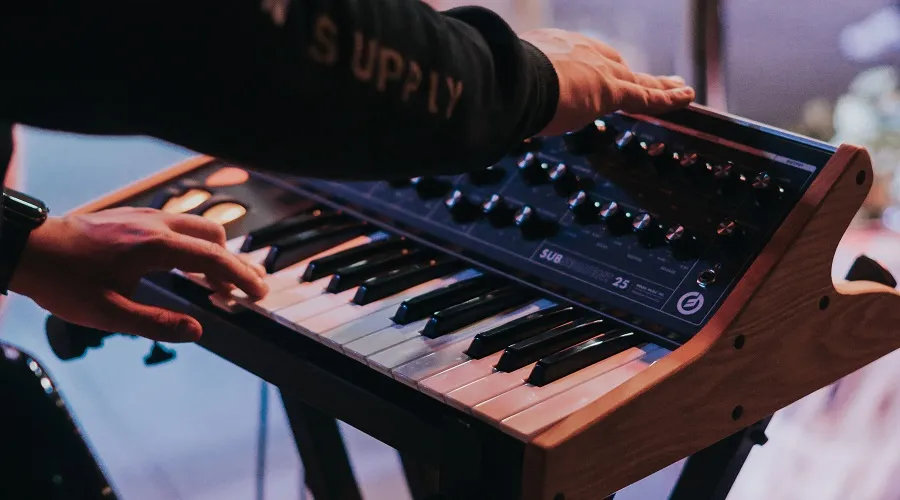
Instead of generic product trees Reverb organises gear by:
- Instrument type
- Genre relevance
- Use case (studio live practice)
That structure mirrors how musicians actually shop.
New vs Used: Reverb’s Balanced Marketplace
Reverb doesn’t push used gear at the expense of new — it supports both.
Used & Vintage Gear
Reverb is particularly strong in:
- Vintage guitars
- Discontinued pedals
- Rare synthesizers
- Modded or customised instruments
For collectors and tone chasers Reverb is often the only viable global source.
New Gear from Trusted Sellers
Reverb also works closely with:
- Independent music stores
- Authorized dealers
- Boutique manufacturers
This allows buyers to access new gear with the same transparency typically reserved for used equipment.
Trust as the Core Currency
- Trust is everything in music-gear transactions.
- Reverb builds trust through:
- Seller ratings and histories
- Buyer protection policies
- Secure payment handling
- Clear return and dispute processes
Unlike informal classifieds Reverb creates accountability — which encourages higher-quality listings and better behaviour from sellers.
Reverb for Buyers: Why Musicians Prefer It
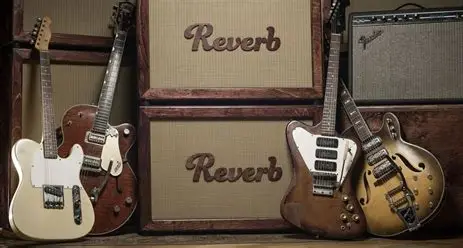
For buyers Reverb offers:
- Access to global inventory
- Fair market pricing
- Confidence in condition and authenticity
- Niche gear unavailable elsewhere
Whether you’re a bedroom producer or a touring guitarist Reverb gives you options that local markets can’t.
Reverb for Sellers: More Than Just a Listing Site
Selling gear on Reverb is not the same as selling on a generic platform.
Sellers benefit from:
- A targeted audience
- Higher buyer intent
- Better price discovery
- Fewer irrelevant enquiries
For musicians this means gear sells faster and at more realistic prices.
Independent Music Shops and Reverb
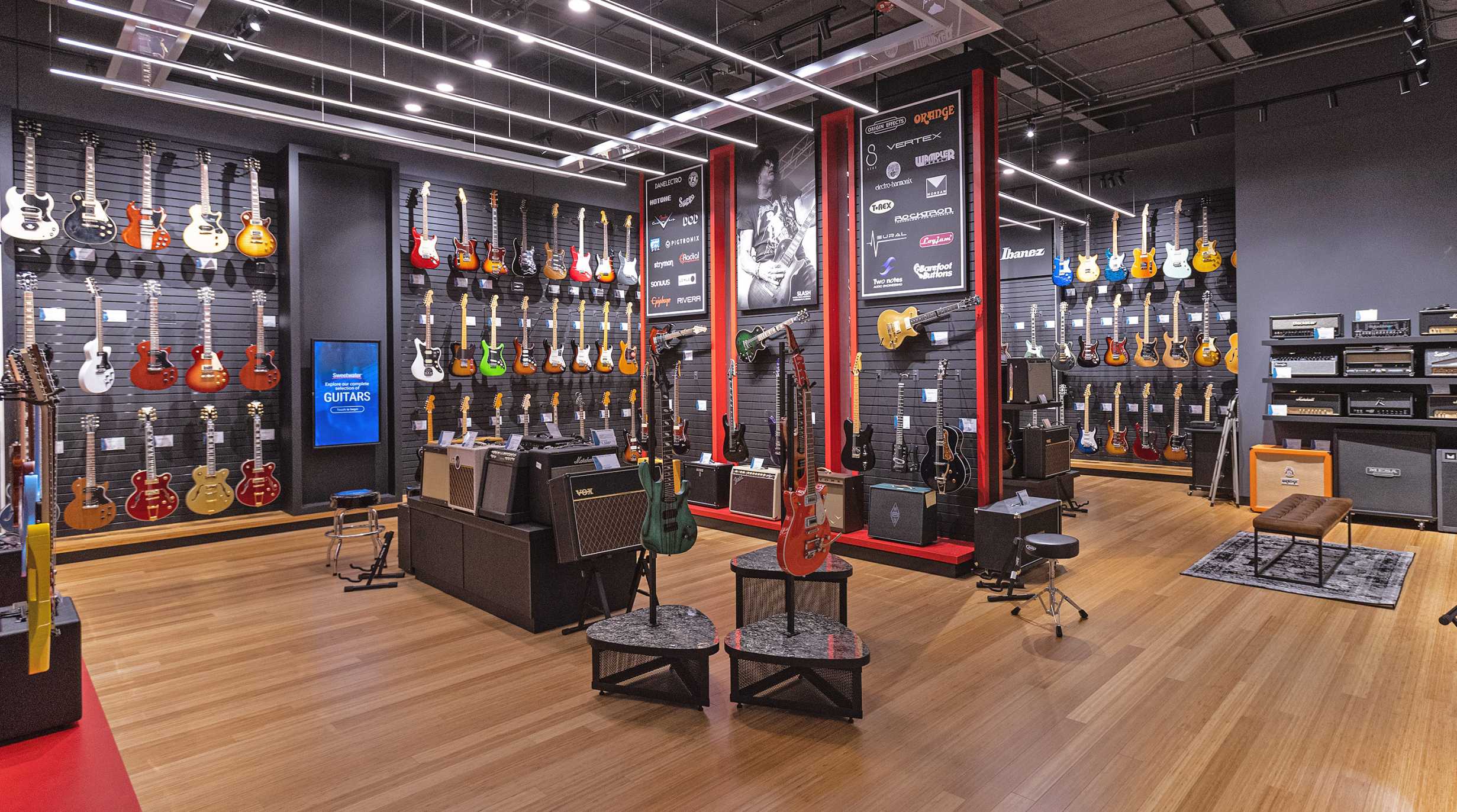
One of Reverb’s most significant impacts has been on independent music retailers.
Instead of competing with global chains alone small shops now use Reverb to:
- Reach international buyers
- Move used and vintage inventory
- Stabilise revenue during slow local periods
In many cases Reverb has become an extension of the physical music store — not a replacement.
Pricing Transparency and Market Intelligence
Reverb has quietly become one of the most important pricing references in the music industry.
Its historical sales data helps:
- Buyers assess fair value
- Sellers price competitively
- Brands understand secondary markets
This transparency reduces speculation and builds healthier resale dynamics.
The Role of Reverb in Gear Culture
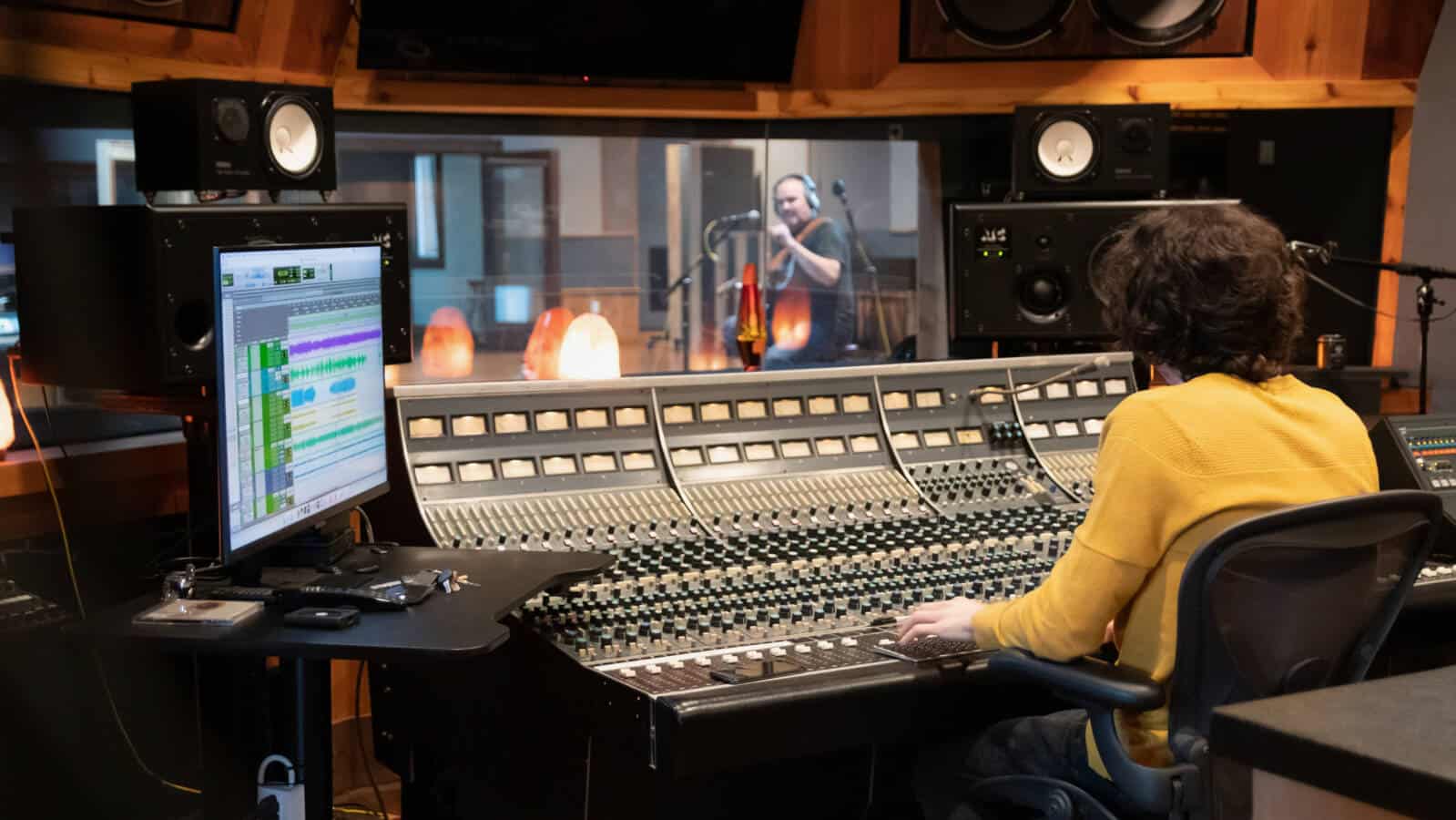
Beyond transactions Reverb influences gear culture.
It shapes:
- What becomes desirable
- Which discontinued products gain cult status
- How value evolves over time
In this way Reverb acts as both a marketplace and a cultural archive.
Sustainability and Circular Music Economies
Reverb plays an important role in sustainability.
By encouraging:
- Reuse of instruments
- Repair and resale
- Long product lifecycles
Reverb supports a circular economy — one where instruments are played for decades not discarded.For musicians this isn’t just ethical — it’s practical.
Reverb and the Rise of Home Studios

The explosion of home recording has increased demand for:
- Affordable studio gear
- Entry-level and mid-range equipment
- Used professional tools
Reverb has become a gateway for creators building studios without agency-level budgets.
Reverb vs Other Marketplaces
Compared to general platforms Reverb offers:
- Better gear knowledge
- Lower friction
- Higher trust
- More relevant audiences
Compared to brand-specific stores it offers:
- Broader selection
- Competitive pricing
- Access to discontinued gear
This positioning makes Reverb difficult to replace.
Where Reverb May Not Be Ideal
To be balanced Reverb isn’t perfect for:
- Ultra-low-budget impulse buying
- Non-musical electronics
- Buyers seeking instant local pickup only
Its strength lies in considered purchases not convenience shopping.
The Emotional Side of Gear Trading
Musical instruments carry emotional weight.
Reverb understands this by allowing sellers to:
- Share stories
- Document modifications
- Preserve lineage
That emotional layer differentiates Reverb from transactional marketplaces.
Reverb as Infrastructure Not Just a Platform
At scale Reverb functions as:
- A distribution channel
- A resale market
- A pricing index
- A cultural hub
Few platforms achieve that level of integration within a single creative industry.
The Future of Reverb
Reverb’s long-term value lies in:
- Deepening trust mechanisms
- Supporting independent sellers
- Preserving instrument histories
- Staying music-first
As long as it resists becoming generic Reverb’s relevance remains strong.
Final Verdict: Is Reverb Worth Using in 2026?
For musicians the answer is clear.
Reverb is not just where you buy gear — it’s where you understand gear.
It has professionalised a niche market without stripping it of its soul and it continues to serve musicians by respecting what makes instruments special.In a world where everything is becoming interchangeable Reverb stands out by treating musical tools as what they truly are: extensions of human expression.