
Why You Wake Up Hot at Night (And What Actually Fixes It)
There's a specific kind of frustration that comes from waking up at 2 a.m. kicking off the covers flipping the pillow to the cool side and still not finding relief. It's one of the most common sleep complaints there is and yet most of the advice around it is frustratingly vague — "try a fan" "wear lighter pajamas" "turn down the thermostat." Some of that helps at the margins. But overheating at night is usually a bedding problem as much as a room-temperature problem and understanding why makes it a lot easier to actually fix.
The Science Of Why You Overheat
The human body doesn't just get warm at night by accident — it's supposed to. Core body temperature naturally drops by a degree or two as part of the process of falling and staying asleep and the body manages that drop partly by releasing heat through the skin. The problem is that most traditional bedding materials — cotton in particular and synthetic fills even more so — trap that released heat rather than letting it escape. The result is a feedback loop: the body tries to cool down the bedding holds the heat in and the sleeper wakes up warm sweaty and irritated often without ever figuring out why. WHY "JUST GET LIGHTER SHEETS" ISN'T THE WHOLE ANSWER The standard advice to swap in a lighter comforter or a lower thread count sheet treats the problem as one of insulation alone — as if less fabric automatically means less heat. But thickness isn't really the core issue; airflow and moisture management are.
A thin cotton sheet can still trap heat and hold onto sweat because cotton fibers aren't built to wick moisture away from the skin efficiently. This is where fabric technology actually matters more than simply buying something thinner. Materials engineered specifically for thermal conductivity — moving heat away from the body rather than just physically covering it — behave completely differently on a hot night than a lightweight version of an ordinary fabric.
What Cooling Bedding Actually Does Differently
This is the specific problem that cooling-focused bedding brands like Rest have built their entire product line around solving. Rather than just reducing fabric weight cooling fabrics are engineered with fiber structures designed to conduct heat away from the skin quickly alongside moisture-wicking properties that pull sweat away from the body instead of letting it sit against the skin overnight. The practical difference shows up almost immediately for a lot of hot sleepers — instead of waking up in a pool of trapped heat under standard bedding the fabric is actively working to keep the sleeping surface at a lower more stable temperature throughout the night.
The Comforter Problem Specifically
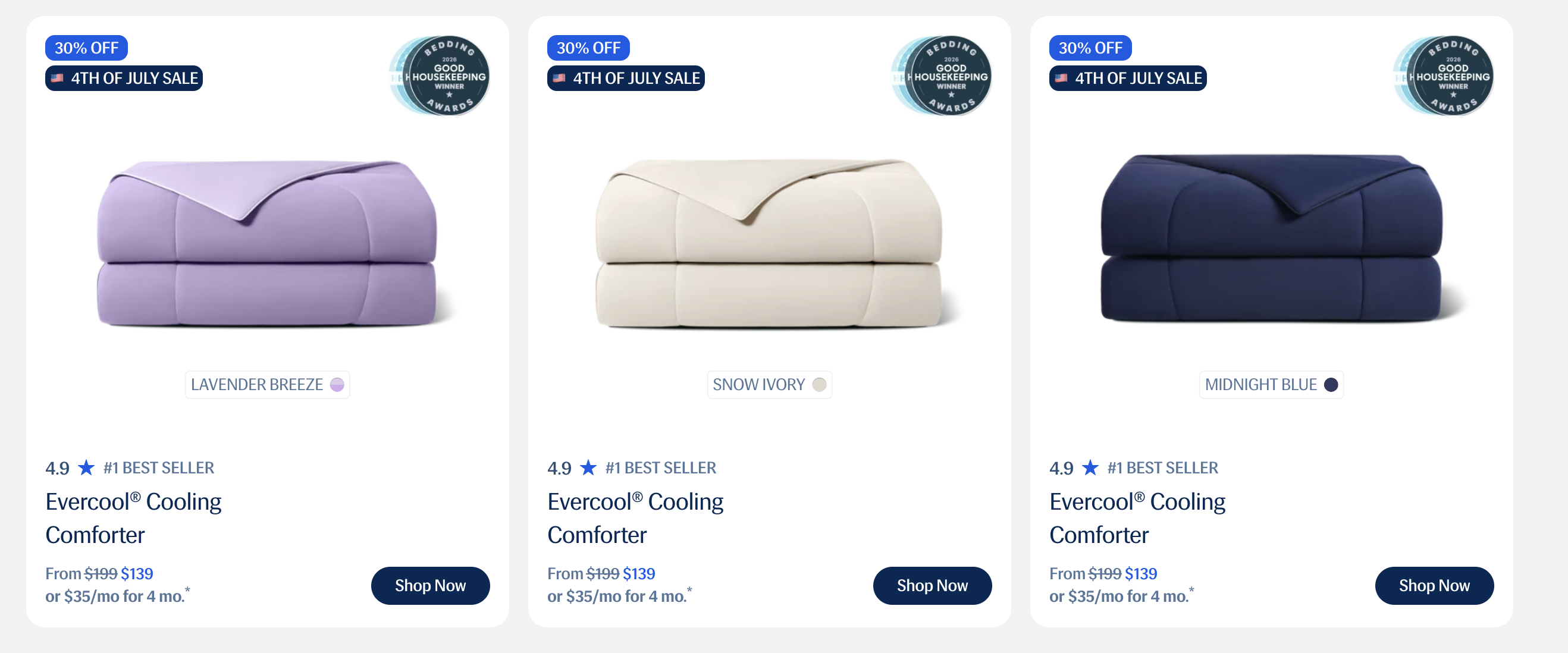
Comforters tend to be the biggest overheating culprit more than sheets simply because of surface area and fill density. A down or down-alternative comforter designed primarily for warmth retention is going to work against a hot sleeper by definition — its entire purpose is trapping heat which is exactly the opposite of what's needed. Swapping to a comforter specifically engineered for cooling like the kind of cooling-fiber comforter Rest is known for changes the entire equation for a hot sleeper without requiring giving up the weight and coziness of a comforter altogether. It's a case where the fix isn't "use less bedding" but "use bedding built for a different job."
The Sheets And Pillowcases Layer
Comforters get the most attention but sheets and pillowcases matter just as much since they're in direct contact with skin for the entire night. A cooling comforter paired with standard cotton sheets underneath will still leave a hot sleeper dealing with a warm sleeping surface at the point of most direct contact. This is why cooling bedding brands typically build out full lines — sheets pillowcases and comforters using the same fiber technology — rather than offering a single cooling product in isolation. Addressing only one layer while leaving the rest standard usually means only partial relief rather than solving the problem completely.
Who Actually Needs This
Not everyone runs hot at night and it's worth being honest that cooling bedding is solving a specific problem rather than being a universal upgrade. People going through hormonal changes like menopause anyone in a warmer climate without reliable air conditioning side-by-side sleepers with mismatched temperature preferences and naturally hot sleepers are the clearest beneficiaries. For someone who already sleeps cool and comfortable on standard bedding cooling fabric isn't solving a problem they have — it's a solution in search of one.

What To Actually Look For
For anyone shopping specifically to fix a night-sweating or overheating problem the fabric technology matters more than marketing language like "cooling" printed on a package since that term gets applied loosely across a huge range of products with very different levels of actual thermal performance. Brands that specify the actual fiber technology behind the cooling claim — the way Rest details the specific engineering behind its Evercool line — tend to deliver more consistent noticeable results than bedding that simply uses lighter-weight fabric and calls it cooling by default. BEYOND BEDDING: THE ROOM STILL MATTERS None of this replaces basic room-temperature management — a fan a lower thermostat setting or breathable pajamas still help at the margins.
But for a lot of chronic hot sleepers the room was never really the main problem. The bedding directly against the skin all night was doing more to trap heat than the room temperature ever could. Fixing that layer first before assuming the fix has to be an expensive HVAC upgrade solves the problem for a lot of people far more directly and far more cheaply.
Final Thought
Waking up hot at night isn't just bad luck or an unavoidable part of getting older — it's very often a direct fixable consequence of sleeping under bedding engineered to trap heat rather than release it. Understanding the actual mechanism rather than reaching for vague advice about thermostats and lighter pajamas makes it a lot easier to identify what will actually work. For a genuinely hot sleeper the fastest fix is usually not less bedding — it's better-engineered bedding and that's precisely the gap brands like Rest were built to close.